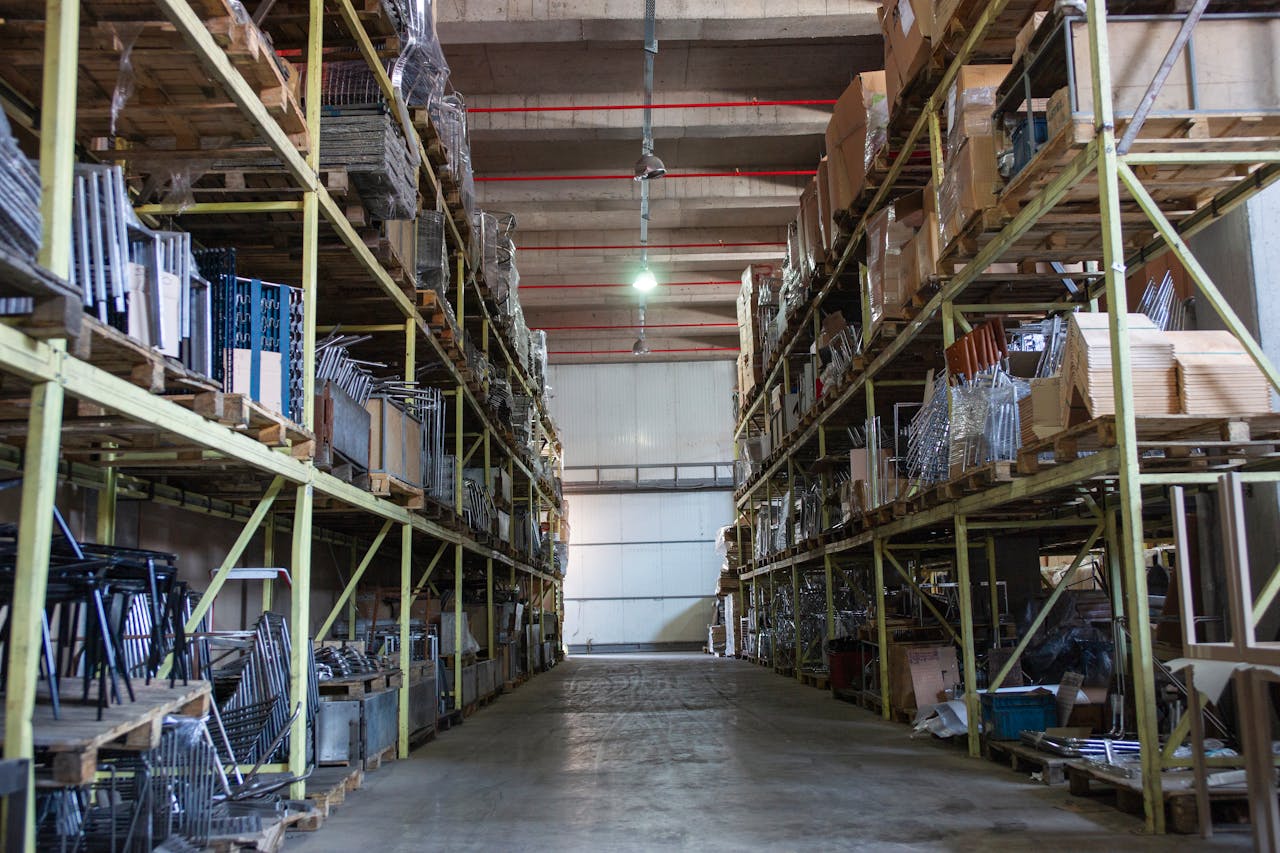


For enterprise manufacturers and distributors, inventory isn’t just an operational concern—it’s a strategic asset. Yet many organizations still struggle with fragmented systems, delayed updates, and inaccurate stock data across warehouses and sales channels. The result? Overstock, stockouts, lost revenue, and strained customer relationships.
Real-time inventory visibility refers to the ability to track, monitor, and manage inventory levels instantly across all locations, systems, and channels. It provides a single, accurate view of stock availability, enabling faster decision-making and improved supply chain efficiency.
In today’s high-velocity, omnichannel environment, real-time inventory visibility isn’t optional—it’s a competitive necessity. Whether you’re managing multiple distribution centers or scaling eCommerce operations, the ability to access accurate inventory data in real time directly impacts cost control, customer satisfaction, and operational agility.
What is Real-Time Inventory Visibility
Real-time inventory visibility is the capability to monitor inventory levels, movements, and status across the supply chain instantly, using integrated systems such as modern WMS platforms, cloud-based MRP solutions, and AI-powered analytics tools.
Unlike traditional systems that rely on batch updates or manual reconciliation, real-time systems continuously sync data across warehouses, sales channels, and logistics partners. This ensures that decision-makers always have access to accurate, up-to-date inventory information.
Key components include:
- Modern WMS platforms with real-time inventory visibility capabilities
- Cloud-based MRP solutions with real-time inventory visibility
- AI platforms for real-time inventory visibility and forecasting
- Multichannel inventory solutions for real-time stock visibility
Real-world example:
A manufacturing company operating across three warehouses and selling through both distributors and direct-to-consumer channels faces frequent stock discrepancies. Without real-time visibility, one warehouse may show excess inventory while another runs out—leading to unnecessary expedited shipping costs.
By implementing integrated, real-time inventory systems, the company gains a unified view across all locations. Inventory can be dynamically allocated, reducing delays, minimizing overstock, and improving fulfillment speed.
This is why technologies for real-time inventory visibility in B2B environments are becoming essential—not just for efficiency, but for scalability.
Why Real-Time Inventory Visibility Matters for Enterprise Supply Chains
For enterprise-level operations, the importance of real-time inventory visibility in supply chain management goes far beyond operational convenience—it directly impacts profitability, scalability, and customer experience.
Key business impacts:
- Cost Control
- Reduces excess inventory and carrying costs
- Minimizes emergency shipping and last-minute procurement
- Enables better demand forecasting and procurement planning
- Operational Efficiency
- Eliminates manual reconciliation processes
- Improves warehouse productivity through automation
- Enhances order accuracy and fulfillment speed
- Scalability
- Supports growth across multiple warehouses and regions
- Enables seamless expansion into new channels (eCommerce, retail, wholesale)
- Provides the infrastructure needed for omnichannel fulfillment
- Improved Customer Experience
- Accurate stock availability prevents overselling
- Faster fulfillment leads to shorter delivery times
- Builds trust with distributors and end customers
Strategic advantage:
Real-time inventory visibility supply chain efficiency allows organizations to move from reactive to proactive decision-making. Instead of responding to issues after they occur, companies can anticipate demand shifts, rebalance inventory, and optimize operations in real time.
For organizations managing complex supply chains, this level of visibility is critical to maintaining a competitive edge.
Key Features of a High-Performance 3PL Partner
A 3PL partner plays a crucial role in enabling real-time inventory visibility. However, not all providers offer the same level of capability. High-performing 3PLs combine advanced technology, operational expertise, and nationwide infrastructure.
Technology & Integrations
A leading 3PL must offer seamless system integrations that connect your ERP, eCommerce platforms, and distribution channels.
Key capabilities include:
- API-based integrations with major platforms
- Real-time data synchronization across systems
- Compatibility with modern WMS platforms
- Support for multichannel inventory solutions
These integrations ensure that inventory data flows continuously, eliminating silos and enabling centralized control. Without strong 3PL partner integrations, real-time visibility simply isn’t achievable.
Nationwide Distribution Capabilities
For enterprise companies, geographic reach matters. A 3PL with nationwide distribution capabilities enables:
- Faster delivery times
- Reduced shipping costs through regional fulfillment
- Improved service levels across markets
Strategically located warehouses allow inventory to be positioned closer to customers, enhancing both speed and efficiency.
Inventory and Warehouse Management
Advanced warehouse management system real-time inventory visibility requirements include:
- Barcode and RFID tracking
- Automated inventory updates
- Cycle counting and accuracy controls
- Real-time stock movement tracking
These capabilities ensure that inventory data remains accurate at all times, reducing discrepancies and improving operational performance.
Data Visibility and Analytics
Beyond tracking inventory, a high-performance 3PL provides actionable insights.
This includes:
- Real-time dashboards
- Predictive analytics powered by AI platforms
- Performance reporting across warehouses and channels
- Alerts for low stock, overstock, and demand spikes
These tools transform raw data into strategic intelligence, enabling better decision-making across the supply chain.
How to Choose the Right 3PL Partner
Selecting the right 3PL partner is a critical decision that directly impacts your ability to achieve real-time inventory visibility.
Step-by-step framework:
- Define Your Requirements
- Identify your operational needs (multi-warehouse, omnichannel, etc.)
- Determine technology requirements (WMS, integrations, analytics)
- Evaluate Technology Capabilities
- Does the provider offer real-time inventory visibility?
- Are their systems cloud-based and scalable?
- Do they support automation and AI-driven insights?
- Assess Integration Flexibility
- Can they integrate with your existing ERP and platforms?
- How seamless is the data flow across systems?
- Review Operational Expertise
- Experience in your industry
- Ability to handle demand volatility
- Proven track record with enterprise clients
- Analyze Network and Infrastructure
- Warehouse locations
- Distribution capabilities
- Capacity for growth
- Request Performance Metrics
- Order accuracy rates
- Inventory accuracy levels
- On-time delivery performance
Best practices for selecting a 3PL logistics partner:
- Prioritize transparency and data visibility
- Choose partners with scalable technology
- Ensure alignment with your long-term growth strategy
For eCommerce-focused businesses, criteria for selecting a 3PL partner e-commerce include omnichannel fulfillment capabilities and real-time inventory synchronization across sales platforms.
Common Challenges When Working with a 3PL Partner
Even with a strong partner, supply chain operations face real-world challenges that can impact performance.
Key challenges include:
- Port Congestion
- Delays in inbound shipments disrupt inventory availability
- Creates ripple effects across fulfillment operations
- Labor Shortages
- Impacts warehouse productivity and order processing speed
- Increases operational costs
- Demand Volatility
- Sudden spikes or drops in demand create inventory imbalances
- Leads to overstock or stockouts
- Inventory Visibility Gaps
- Disconnected systems prevent real-time tracking
- Causes inaccurate stock data and fulfillment errors
These challenges highlight the importance of robust logistics solutions with real-time visibility inventory management capabilities. Without them, businesses are forced into reactive decision-making, which increases costs and reduces efficiency.
How Cura Resource Group Solves These Challenges
Cura Resource Group addresses these challenges by combining advanced technology with operational expertise, delivering true real-time inventory visibility across complex supply chains.
Key solutions:
- Integrated Technology Ecosystem
- Seamless integrations with ERP and eCommerce platforms
- Real-time data synchronization across all warehouses
- Advanced Warehouse Management
- Modern WMS platforms with real-time tracking
- Automated processes that reduce errors and improve efficiency
- Strategic Distribution Network
- Nationwide warehouse coverage
- Optimized inventory placement for faster delivery
- Data-Driven Decision Making
- Real-time dashboards and analytics
- AI platforms for forecasting and demand planning
By focusing on how automation facilitates real-time inventory visibility, Cura enables businesses to operate with precision and agility—reducing costs while improving service levels.
Future Trends in 3PL and Supply Chain Partnerships
The future of supply chain management is being shaped by technology, automation, and increasing demand for real-time visibility.
Key trends:
- AI and Predictive Analytics
- AI platforms for real-time inventory visibility will drive smarter forecasting
- Enables proactive inventory management
- Automation
- Robotics and automated systems improve warehouse efficiency
- Reduces reliance on manual processes
- Omnichannel Fulfillment
- Seamless integration across online and offline channels
- Requires advanced multichannel inventory solutions
- Real-Time Visibility as Standard
- Real-time inventory visibility across channels implementation will become the baseline expectation
- Companies without it will struggle to compete
These trends reinforce the importance of investing in scalable, technology-driven 3PL partnerships.
FAQs
1. What are the best solutions for real-time inventory visibility in warehouses?
The best solutions include modern WMS platforms, cloud-based MRP systems, and AI-driven analytics tools. These technologies integrate seamlessly to provide continuous data synchronization, enabling accurate inventory tracking across multiple locations and channels.
2. How does real-time inventory visibility reduce overstock?
Real-time visibility allows businesses to monitor inventory levels continuously and adjust procurement and distribution strategies accordingly. Tools for reducing overstock real-time inventory visibility use predictive analytics to align inventory levels with demand, minimizing excess stock.
3. What are the requirements for a warehouse management system with real-time inventory visibility?
Key requirements include real-time data updates, system integrations, barcode or RFID tracking, automation capabilities, and analytics dashboards. These features ensure accurate inventory tracking and improved operational efficiency.
4. How does real-time inventory visibility improve supply chain efficiency?
It eliminates data silos, reduces manual processes, and enables faster decision-making. Real-time inventory visibility supply chain efficiency improves order accuracy, reduces delays, and enhances overall operational performance.
5. What should I look for in the best 3PL companies for real-time inventory visibility in 2026?
Look for providers with advanced technology, strong integrations, nationwide distribution networks, and proven expertise in managing complex supply chains. The best 3PL companies real-time inventory visibility 2026 will prioritize automation, AI, and data transparency.
Conclusion
Real-time inventory visibility is no longer a luxury—it’s a critical capability for enterprise supply chains. From reducing costs and improving efficiency to enabling scalability and enhancing customer satisfaction, its impact is far-reaching.
For decision-makers, the question isn’t whether to invest in real-time visibility, but how quickly it can be implemented. The right 3PL partner plays a pivotal role in this transformation, providing the technology, infrastructure, and expertise needed to succeed.