
What Is a Distribution Center? How It Works and How It Differs From a Warehouse
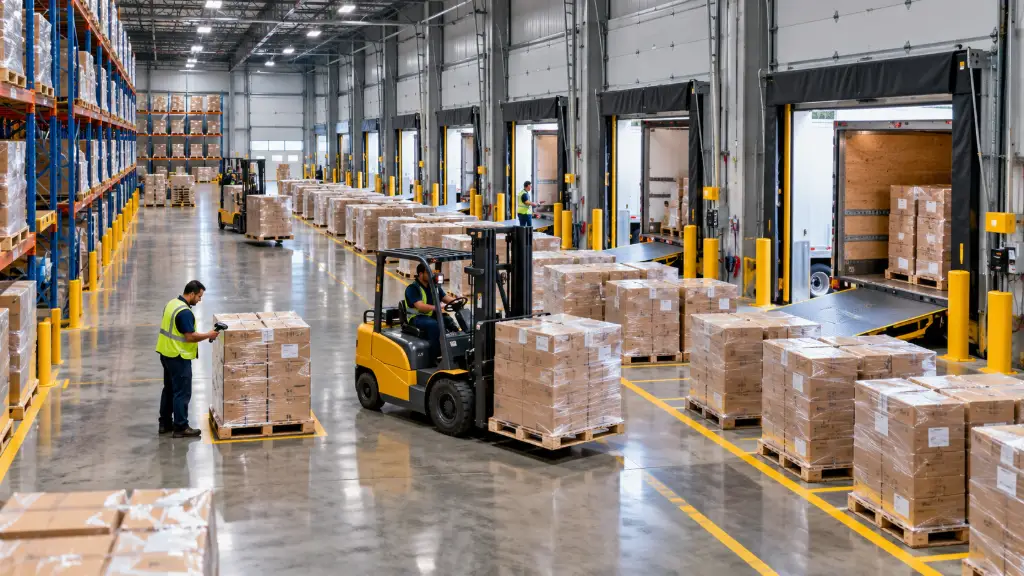
A distribution center is a building designed around throughput: freight in, sorted, and back out the door. Stock arrives, gets grouped by destination, and leaves again within days. The building is judged on how fast it turns orders around, not on how much it can store. This guide covers what a distribution center does and […]
Drayage Services: The 6 Types, What They Cost and When You Need One
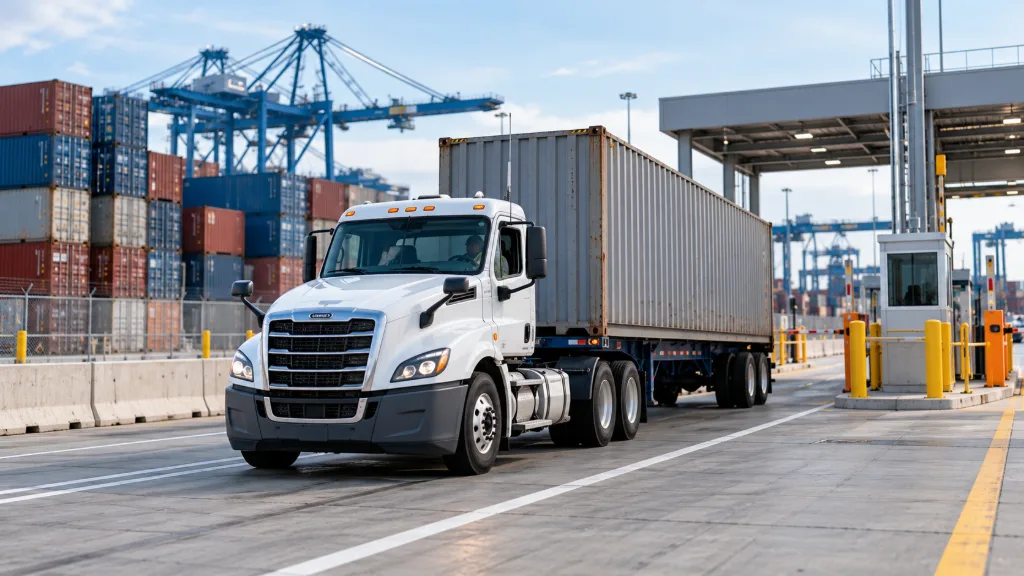
Drayage is the short truck move that takes a shipping container from a port or rail ramp to its next stop. That stop is a warehouse, a customer’s door or another terminal. It is the shortest leg of an import journey and the one most likely to bill you twice. This guide covers the 6 […]
Pallet Storage Cost: The 4 Pricing Models and What a Pallet Costs per Month
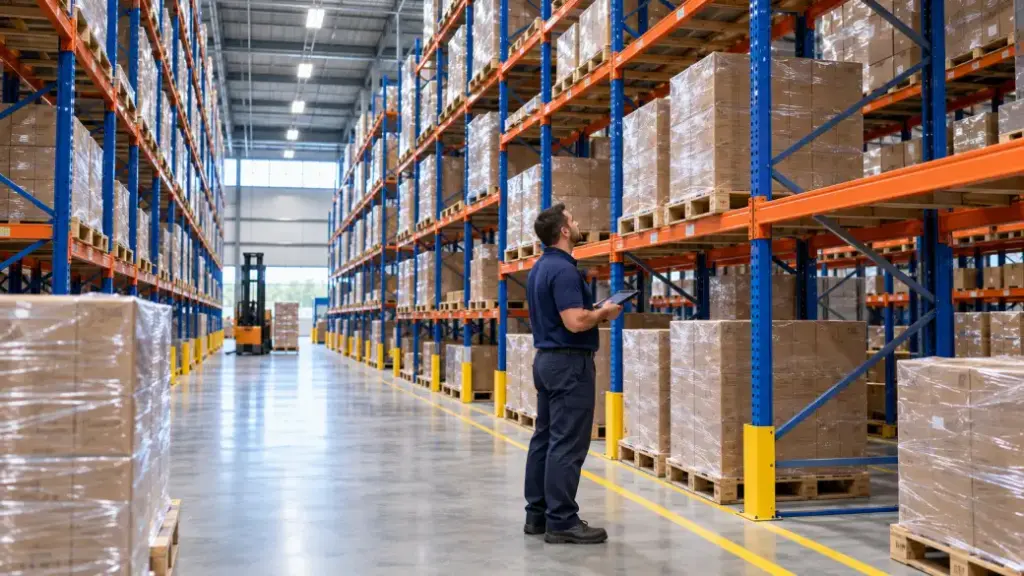
Pallet storage is warehouse space rented by the pallet position and billed by the month, with the warehouse receiving and releasing your goods. It averaged $20.17 per pallet per month in 2025, in a survey of more than 600 North American warehouses by The Fulfillment Advisor. This guide covers what a pallet position costs, the […]
Outbound Logistics: The 5 Stages From Order to Delivery
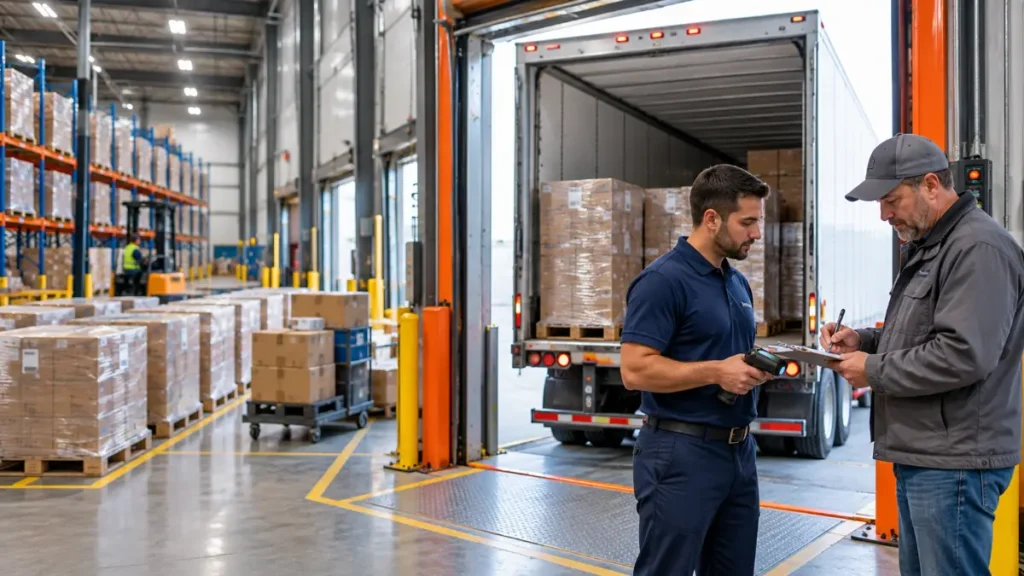
Outbound logistics is the work of storing finished goods and moving them out to the customers who ordered them. The Association for Supply Chain Management (ASCM) includes order fulfillment, packing, shipping, delivery and returns handling in its definition of outbound logistics. This guide covers the 5 stages of an outbound shipment, its paperwork, KPIs, common […]
Warehousing and Distribution: The 5 Stages From Dock to Delivery (2026 Guide)
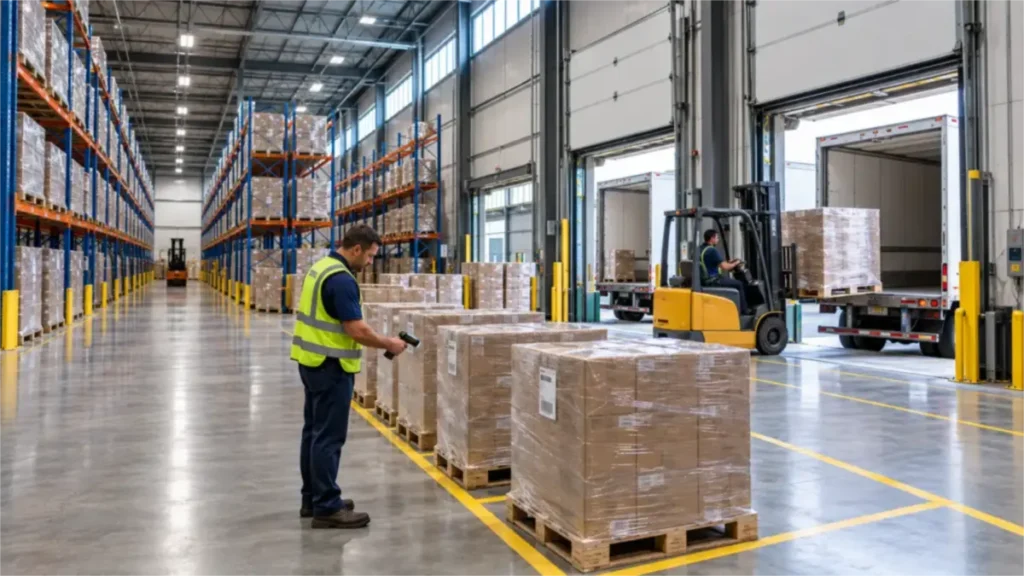
Warehousing and distribution is the work of storing goods and then moving them to the stores, businesses or homes that ordered them. Warehousing keeps inventory safe and counted until it is needed. Distribution turns that inventory into shipments that arrive complete and on time. Both halves run on labor, and an hour of warehouse labor […]
Dedicated Warehousing: The 3 Models From Shared Aisle To Own Building (2026)
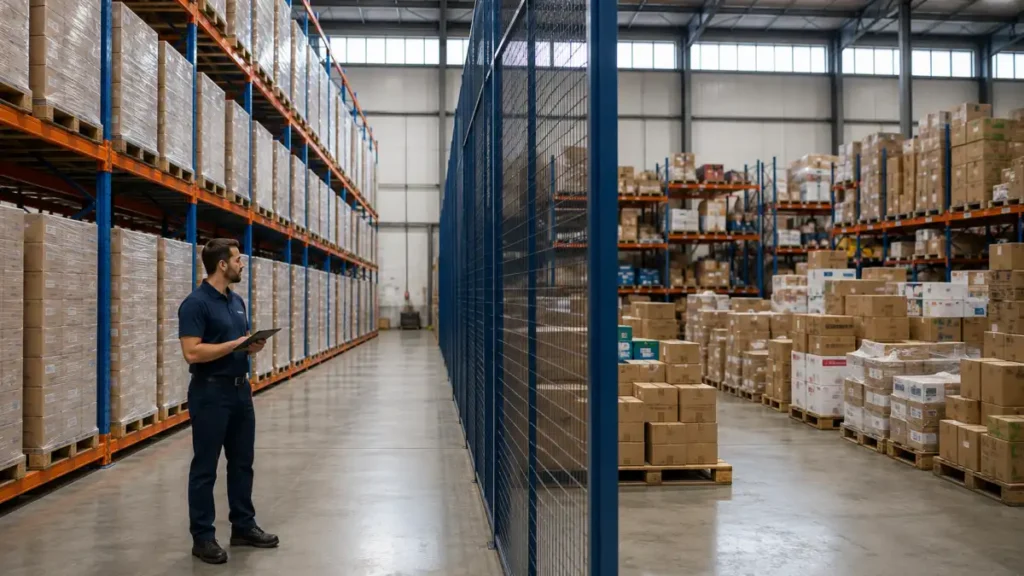
Dedicated warehousing is an arrangement where the space, the staff and the equipment handling your goods are used only by you. Nobody else’s pallets share the aisle. The word is used loosely, though: it can describe a fenced-off corner of a busy building or an entire site running one product line, and both are sold […]
Contract Warehousing: What It Is and When It Pays (2026 Guide)
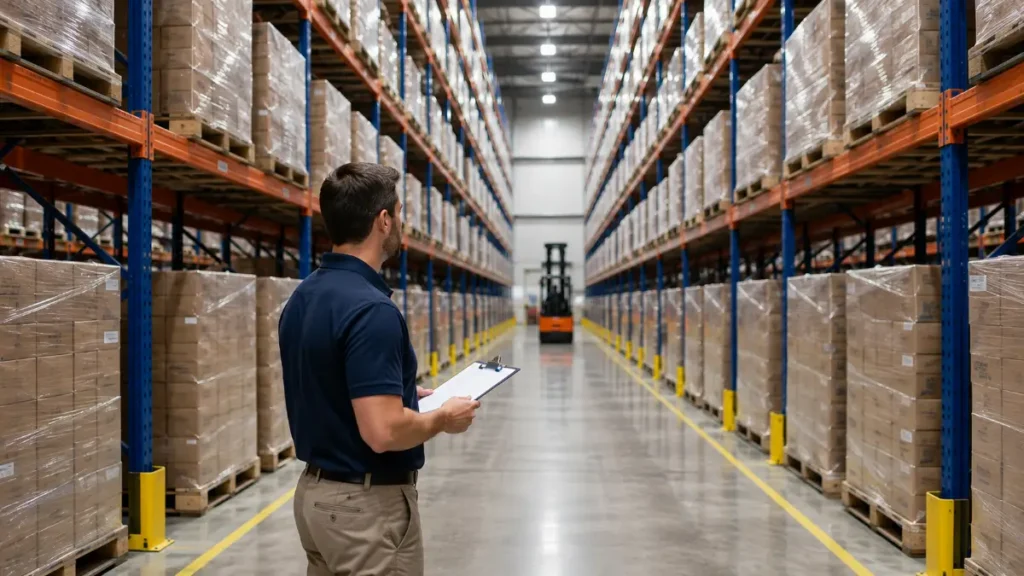
Contract warehousing is a long-term agreement in which a provider stores and handles your goods in space reserved for you. You commit to a term and usually to a minimum volume. In exchange you get fixed rates, dedicated warehousing space and staff who only handle your product. The choice matters because warehousing is mostly a […]
Contract Logistics vs. 3PL: The 5 Differences That Matter (2026 Guide)

Contract logistics is one type of third-party logistics. The difference is commitment: contract logistics means dedicated warehousing: space, staff and equipment on a multi-year agreement, while a standard 3PL usually gives you shared space on shorter terms. Same work, different deal. What is the difference between contract logistics and 3PL? The difference is what is […]
What Is Contract Logistics? Models, Pricing, and What’s in the Contract

Contract logistics means outsourcing your warehousing, fulfillment, and shipping to an outside provider under a long-term contract. The provider runs the operation. You keep the stock and the customer. Most agreements run for years, not months. Each one states what the provider must deliver, what it costs, and what happens if service slips. What is […]
Cycle Counting Inventory: Methods, Frequency, and Accuracy
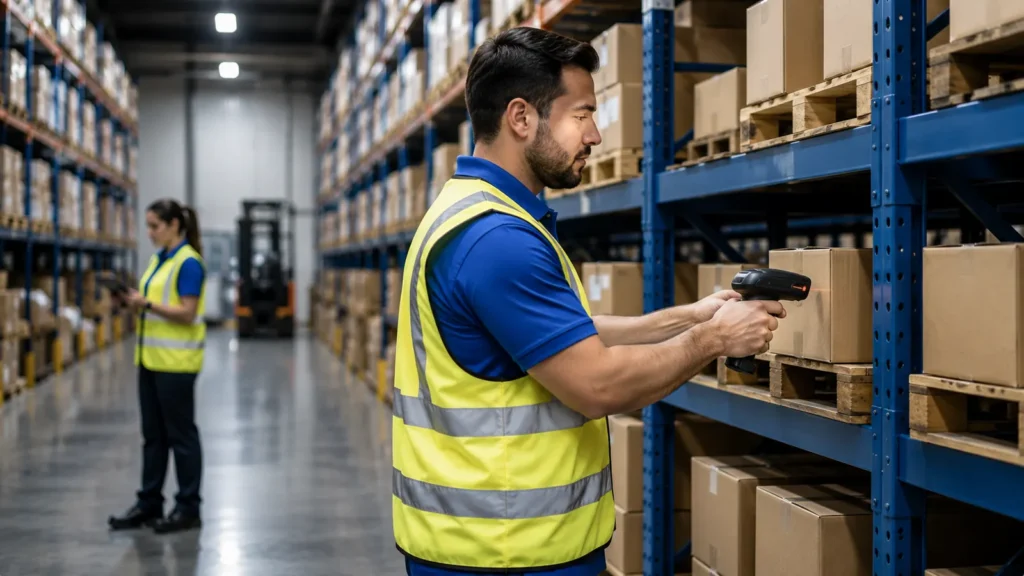
Cycle counting is an inventory auditing method in which a small, defined portion of stock is physically counted on a rotating schedule while the warehouse keeps operating, instead of shutting down once a year to count everything at once. Each count compares what is physically on the shelf against what the inventory system says should […]