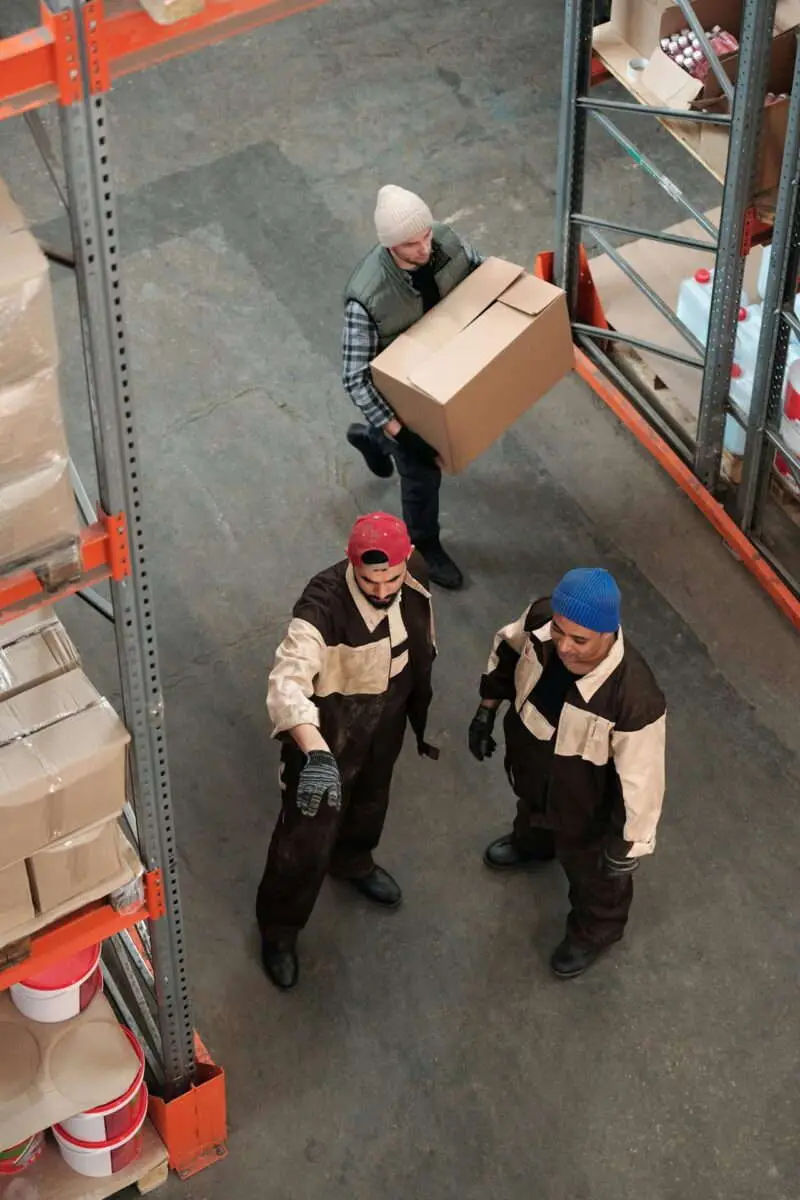
Shipping logistics is the planning and management of how finished goods move from a warehouse to customers, stores and other businesses. It covers choosing the shipping mode and carrier, preparing each shipment, handing it over and tracking it to delivery.
Cura Resource Group runs shipping logistics for B2B, wholesale and ecommerce brands. It handles parcel, less-than-truckload (LTL) and full truckload (FTL) shipments, both domestic and international.
Third party logistics shipping means the provider that stores your stock also ships it. Cura links each shipment to inventory control that keeps stock counts accurate and picking and packing that gets each order ready to leave.
Shipping is the stage when an order leaves the warehouse and moves through a carrier’s network. Delivery is the final handoff, when the order reaches the customer’s door or a store’s dock.
The real gap in shipping vs delivery is transit time. Shipping logistics controls both ends of that gap: when an order ships, and which carrier and service carry it to delivery.
Cura handles three shipping modes: parcel, less-than-truckload (LTL) and full truckload (FTL), for domestic and international shipments. Together they cover b2b shipping services and ecommerce parcel orders.
Parcel
LTL
FTL
Parcel shipping moves individual boxes through carrier networks to homes and businesses. Carriers price each package by weight, size and distance. It suits ecommerce orders and small B2B replenishment.
For online brands, parcel shipping sits at the end of ecommerce fulfillment from order to doorstep.
Less-than-truckload (LTL) shipping moves pallets that share trailer space with other shippers’ freight. You pay for the space your pallets use, not the whole truck. It suits B2B orders too large for parcel but too small to fill a trailer.
Full truckload (FTL) shipping books an entire trailer for one shipper’s goods. The trailer usually runs straight from pickup to delivery without transfers, which lowers handling and damage risk. It suits large retail replenishment and bulk inbound moves.
Cura ships both within the United States and to international destinations. International shipments add customs paperwork and longer transit times. Container and air freight across borders runs through freight forwarding that books and manages international cargo.
Cura shipping logistics brings four benefits: fast and reliable shipping, cost-effective options, safe delivery and global reach.
Shipping logistics works in five steps: order intake, mode and carrier selection, packing and labeling, pickup and handoff, and tracking.
Order intake pulls each order from your store, ERP or retailer portal into the warehouse system. The ship-to address, service level and any retailer rules travel with the order.
Mode and carrier selection matches each shipment to parcel, LTL or FTL by size, weight and deadline. The carrier is then chosen on service, transit time and cost.
Packing and labeling prepares each order to survive the trip and meet carrier rules. Retail orders also need labels built to the retailer’s routing guide, the rulebook for how shipments must arrive.
Pickup and handoff passes the shipment to the carrier with a bill of lading or manifest. A bill of lading is the document that records what the carrier received and where it is going.
Tracking follows each shipment until delivery, so delays or damage get handled as they happen. Cura clients also get a real-time view of their inventory.
Cura Resource Group has run third-party logistics since 2008. Its warehouse shipping services run from sites it operates in Memphis, Tennessee; Riverside, California; and Carolina, Puerto Rico. Its corporate office is in Washington, Michigan.
For retail accounts, Cura works to each retailer’s routing guide, handling retail labeling and chargebacks. Smaller brands can also compare shipping solutions for small businesses before choosing a provider.
A shipping logistics provider plans and runs the movement of orders from the warehouse to customers. It picks the shipping mode and carrier, prepares labels and paperwork, hands shipments to carriers and tracks them to delivery. A 3PL does this alongside storage, picking and packing, so every order ships from one connected operation.
No. Shipping is the part of the journey when an order travels through a carrier network after it leaves the warehouse. Delivery is the final handoff to the customer or store. An order can ship on time and still arrive late if the carrier service or transit time was the wrong choice.
3PL shipping solutions usually include parcel, LTL and FTL shipping, carrier selection, labeling, pickup scheduling and tracking. Cura Resource Group provides parcel, LTL and FTL shipping for domestic and international orders, run from warehouses in Memphis, Riverside and Carolina, Puerto Rico.
Use LTL when an order is too large or heavy to ship as separate boxes but does not fill a trailer. Palletized B2B orders to retailers and distributors are the usual case. Parcel suits single boxes going to homes, and FTL suits loads big enough to fill a trailer on their own.
Yes. Cura Resource Group handles B2B shipping services for retail accounts, including shipments built to each retailer routing guide, retail labeling and chargeback handling. Orders can move by parcel, LTL or FTL, domestic or international, depending on their size and destination.
Related Ecommerce Fulfillment Services:
Ecommerce Fulfillment |
Product Picking & Packing |
Subscription Box Fulfillment |
B2B & B2C Fulfillment
Get a Free Quote →
Request a quote today and discover how Cura shipping logistics services can help your business grow!