Cura Resource Group
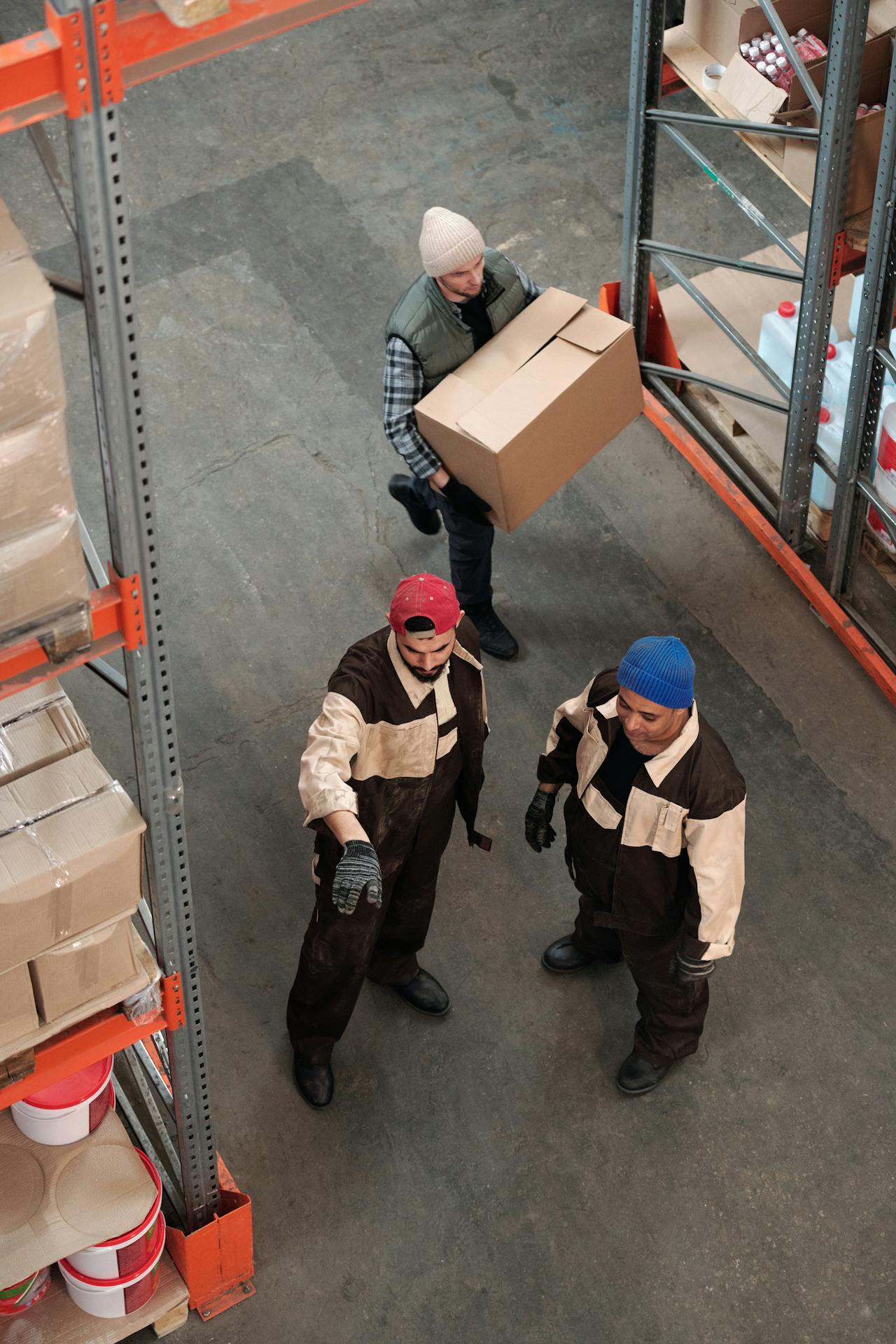
Cross-docking services move freight from inbound trucks or containers to outbound trucks with little or no storage in between. Cura Resource Group receives, checks, sorts and reloads your freight so it leaves the dock within hours, cutting storage costs and transit time.
Cross-docking is the right choice when goods already have somewhere to go. If they need to wait for orders, warehousing and distribution is the better fit, and we run both under one roof.
Cura Resource Group runs cross-docking as part of its third-party logistics operation. Here is what the service covers.
Our cross-docking services cover six jobs: receiving, break-bulk, consolidation, transloading, relabeling, and outbound shipping. Each one can run on its own or as part of one flow.
We count and inspect every inbound load against its paperwork before it moves. We record damage and shortages at the dock, so a claim starts with evidence instead of a dispute.
Break-bulk cross-docking splits one large inbound load into smaller outbound shipments. A full truckload from a manufacturer can leave as separate orders for several stores or customers.
Consolidation combines several smaller inbound shipments into one outbound load. Turning LTL freight into a full truckload lowers the cost per pallet, and our freight consolidation service handles the planning.
Transloading moves freight from an ocean container onto domestic trucks. We unload floor-loaded or palletized containers and reload the freight for the next leg; our transloading services page covers container work in full.
We relabel cartons and build pallets to a retailer’s routing guide while the freight is on the dock. That lets a cross-dock load go straight to a retail distribution center, as part of our retail distribution services.
We book the outbound carrier and the receiver’s delivery appointment, then load and ship by LTL, FTL or parcel. Our shipping and delivery service covers the carrier side.
Cross-docking at Cura works in five steps: plan, receive, sort, load and ship.
We confirm what is arriving, where each part is going, and when outbound trucks will be ready. Planning before the truck arrives is what keeps freight from sitting.
We unload the inbound truck or container and check it against its paperwork. We record counts and condition before anything moves on.
We sort freight by destination, break it down or consolidate it, relabel it if needed, and stage it at the outbound door.
Each outbound load is built to the receiver’s requirements and loaded onto the booked truck.
The truck leaves for its destination, and the receiver gets the shipment details ahead of arrival.
We run cross-docking from our warehouses in Memphis, Tennessee, Riverside, California and Carolina, Puerto Rico. Each one suits a different kind of freight flow.
Cross-docking cost depends on how your freight arrives and leaves, so every account is quoted to its own lanes and volumes. The main cost drivers are:
Because cross-docked freight skips putaway and long-term storage, it usually costs less per pallet than storing and picking the same goods. Send us your lanes and volumes and we will quote cross-docking to your freight.
Use cross-docking when your freight already has a destination and does not need to wait for orders. It fits best when:
For a fuller explanation of the method and its types, read our guide: what is cross-docking.
Brands use Cura Resource Group for cross-docking because the dock, the warehouse and the freight booking sit with one team. We have run third-party logistics since 2008.
When freight can flow straight through, we cross-dock it. When some of it needs to wait, we store it in the same building, so one load can be split between the two without a second carrier. Cross-docking is part of our contract logistics services.
A cross-docking service moves freight from inbound to outbound trucks at a dock with little or no storage. A 3PL receives the freight, checks it, sorts or consolidates it, and reloads it for delivery. Cura Resource Group provides cross-docking from its warehouses in Memphis, Riverside and Carolina, Puerto Rico.
Cura Resource Group reloads most cross-docked freight and sends it on its way within 24 hours of arrival. Freight can wait on site for a short time when an outbound truck or delivery appointment is not ready yet.
Cross-docking cost depends on how the freight arrives, how much handling it needs, how long it waits and how it ships out. Cura Resource Group quotes each account to its own lanes and volumes. Send your volumes through the quote form for a price.
Yes. Cura Resource Group unloads floor-loaded and palletized ocean containers and reloads the freight onto domestic trucks, as part of a cross-dock or through our transloading services.
Choose a cross-docking company by its locations, turnaround, and what it can do to freight on the dock. Check that its warehouses sit on your lanes, that it can break down, consolidate and relabel loads, and that it books outbound carriers and appointments. A company that also runs storage can hold freight that is not ready to move instead of turning it away.
Break-bulk cross-docking splits one large inbound load into smaller outbound shipments for different destinations. We can divide a full truckload from a supplier into separate orders for stores, customers or distribution centers.
Warehousing stores goods until customers order them, while cross-docking moves them straight through with little or no storage. Many businesses use both, and Cura Resource Group runs them in the same warehouses.
Retailers, wholesalers, importers, food and beverage distributors, and ecommerce brands replenishing stock all use cross-docking. It suits any business whose freight already has a destination when it arrives, and carriers rely on it heavily for less-than-truckload (LTL) shipping, as Amazon Freight explains in its cross-docking guide.
Related Contract Logistics Services:
Contract Logistics | Warehousing | Order Fulfillment | Returns Management | Inventory Control
Get a Free Quote →