
Freight consolidation combines several small shipments into one full load. Instead of sending four part-filled trucks, you send one truck that is actually full.
This guide covers what consolidation is, the four stages it runs through and the four types in common use. It also covers what it saves, when it is the wrong answer, and how it differs from cross-docking.
The reason it pays is simple arithmetic. US on-highway diesel averaged $6.276 a gallon in the week of 19 October 2026, on Energy Information Administration figures. Every mile of empty trailer space is fuel you bought and did not use.
What Is Freight Consolidation?
Freight consolidation is the practice of merging multiple smaller shipments, usually less-than-truckload, into a single larger load bound for one region. A provider holds the freight until there is enough of it to fill a trailer.
The shipments can come from one shipper sending to several customers, or from several suppliers sending to one buyer. What they share is a direction.
Freight consolidation services are the outsourced version of that. A provider runs the hub, the sorting and the line haul, so you do not need a building where freight can wait.
There is a hard ceiling on how much you can put in that trailer. Under 23 CFR 658.17 the maximum gross vehicle weight on the Interstate system is 80,000 pounds, except where the bridge formula dictates less.
That number is the whole game. Consolidation is the work of getting as close to it as the freight allows. The truck costs roughly the same whether it is full or half empty.
How Freight Consolidation Works
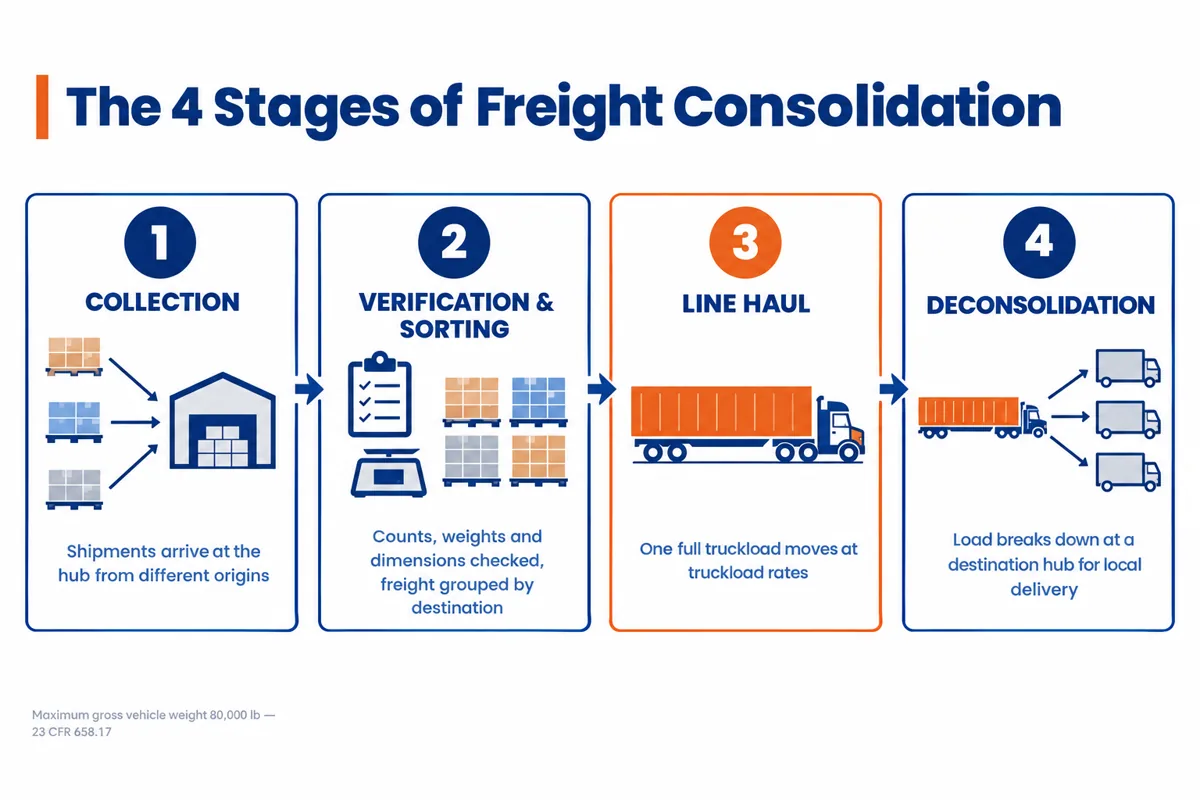
Consolidation runs in four stages, from the moment freight arrives at the hub to the moment it splits again for delivery. Each stage is where a different kind of delay creeps in.
Stage 1: Collection
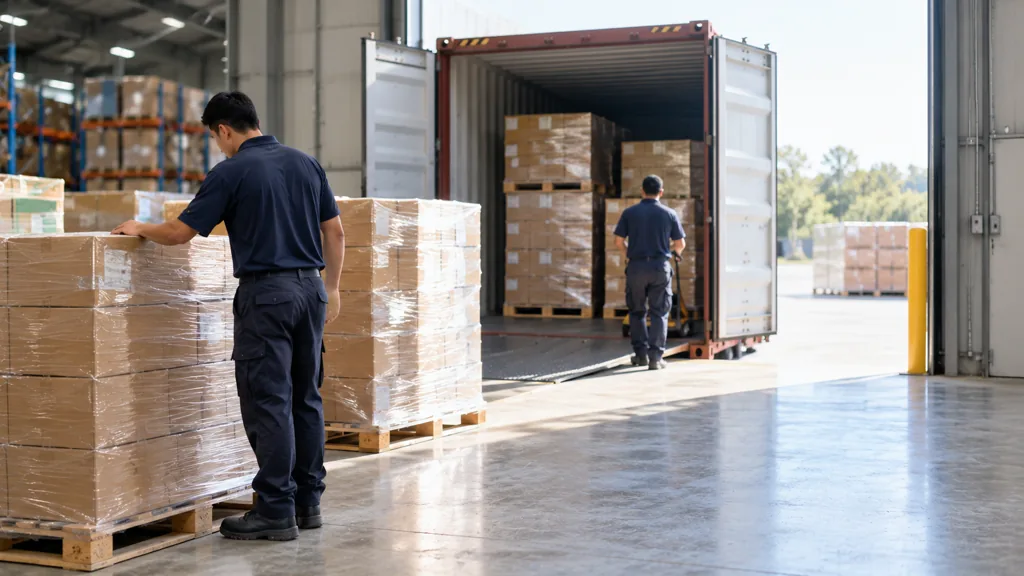
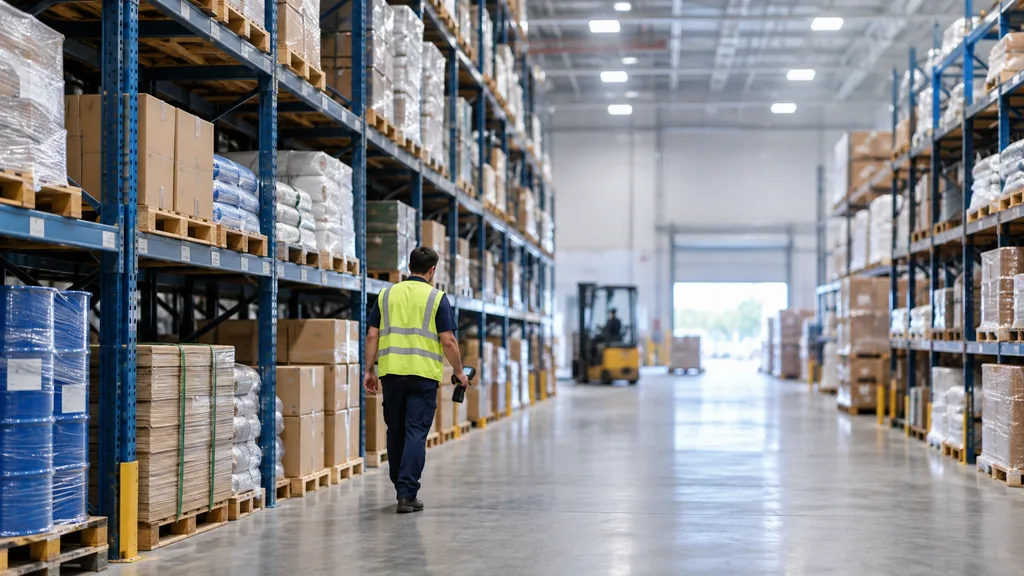
Collection brings the separate shipments into one building. Freight arrives at a consolidation warehouse from different suppliers or origins, on different days, and waits for the rest of the load.
Stage 2: Verification and Sorting
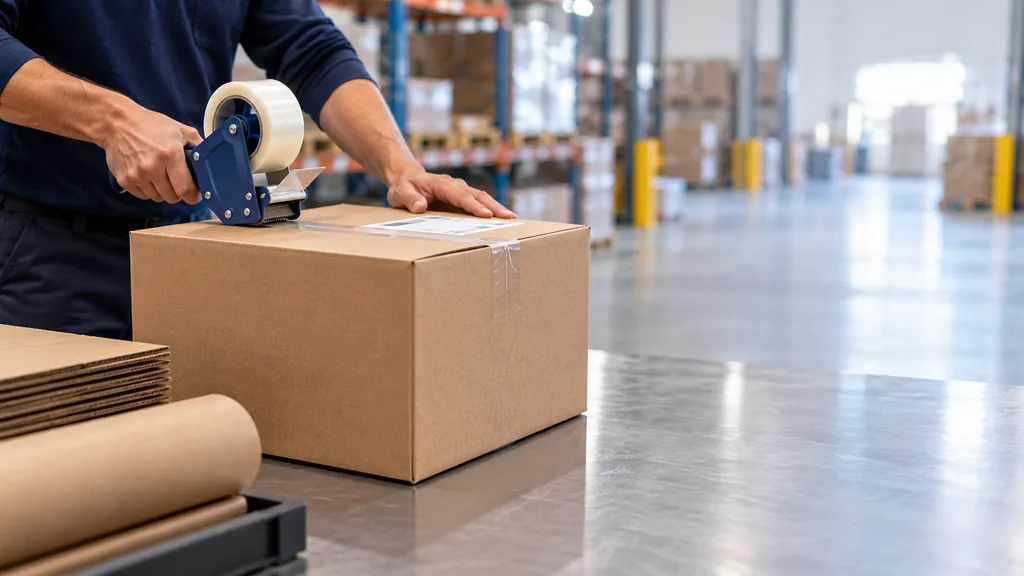
Verification checks what actually turned up against what was promised. Staff confirm piece counts, weights and dimensions, then group freight by destination and by what can legally travel together.
This is where consolidation earns or loses its savings. A wrong weight or a missed dimension changes the whole load plan.
Stage 3: Line Haul
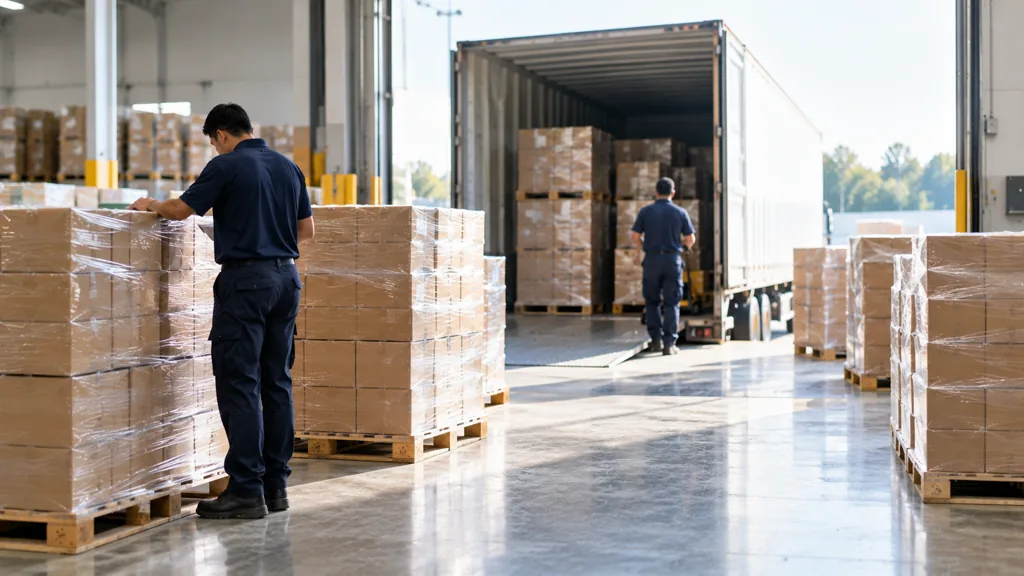
Line haul is the long move, run as one full truckload rather than several partial ones. The load travels to a destination market on a single bill, at truckload rates instead of LTL rates.
Stage 4: Deconsolidation
Deconsolidation breaks the load back down at the far end. The trailer is unloaded at a destination hub and the freight is sorted for local delivery to each final consignee.
Done well, this stage looks like cross-docking: freight moves from the inbound trailer to outbound vehicles without going into storage.
The 4 Types of Freight Consolidation
The four types are multi-supplier, LTL-to-truckload, pool distribution and cross-dock consolidation. They differ by where the freight comes from and what happens at the far end.
- Multi-supplier consolidation. Several vendors ship to one hub, and their goods travel onward as one load to a single buyer. Common in retail replenishment.
- LTL-to-truckload consolidation. Several of your own part loads are combined into one full truckload to cut the rate per unit.
- Pool distribution. One large load is moved into a region, then broken into local deliveries from a pool point near the customers.
- Cross-dock consolidation. Inbound freight is merged onto outbound trucks the same day, with no storage in between.
Most operations mix them. The right one depends on whether your freight converges at the origin, at the destination, or both.
What Freight Consolidation Saves You
Money on the rate, damage in transit and carbon per unit. The savings come from three different places, and only the first is obvious.
Rate is the big one. Truckload pricing beats LTL pricing per pound, and LTL carriers charge by freight class and dimensional weight, which punishes light bulky goods.
Handling is the quieter saving. An LTL shipment is typically unloaded and reloaded several times across a carrier network, and every touch is a chance to damage a pallet.
A consolidated load is handled at the origin hub and again at the destination hub. Fewer touches means less damage, fewer claims and fewer short shipments.
Fuel efficiency per unit improves too, because the same truck and the same diesel move more freight. At $6.276 a gallon on the Energy Information Administration series, empty space is expensive to haul.
When Consolidation Is the Wrong Call
When the freight cannot wait. Consolidation buys a cheaper rate with time, because the load does not leave until it is full enough to justify the move.
If your customer needs it tomorrow, that trade fails. Direct LTL or expedited transport costs more per pound and is the right answer anyway.
Low or irregular volume is the other limit. Ship one pallet a month to a region and there is nothing to consolidate it with. A provider cannot build a lane around a single pallet.
Some freight also cannot share a trailer. Temperature requirements, hazmat segregation rules and stackability all restrict what can legally or safely travel together.
Consolidation and Island Freight
Island freight suits consolidation better than almost any other lane, because the ocean leg has a fixed cost whether your container is full or not. Partial shipments are where the money leaks.
Puerto Rico is the clearest case. Goods move from the mainland under US domestic rules, but they still cross water on a vessel, so the economics reward filling the box.
The rules around that lane are their own subject. Our guide to freight forwarding to Puerto Rico covers the Jones Act, customs treatment and the filings involved.
Freight Consolidation vs Cross-Docking
Cross-docking is a technique; consolidation is a goal. Cross-docking moves freight from inbound to outbound without storage, and consolidation is one of the reasons you would do that.
The practical difference is waiting. Cross-docking is same-day by definition, while consolidation may hold freight for days until the load is worth moving.
Our guide to how cross-docking works covers the four types and when each one fits.
Freight Consolidation With Cura Resource Group
Cura Resource Group consolidates freight, combining multiple supplier shipments into a single outbound load. We also run the reverse, breaking bulk loads down for multi-destination delivery.
Transloading sits alongside both. Freight can move from an ocean container onto domestic carriers at our dock rather than traveling in the box it arrived in.
Our freight consolidation services work on established lanes, which is what makes a single pallet worth including. A lane nobody else ships is a lane we will tell you not to wait for.
Our Carolina, Puerto Rico warehouse is a consolidation point for island freight. Mainland shipments can be gathered there and sent as one load rather than several part-filled ones.
On the mainland we consolidate through our warehouses on both coasts, including Riverside in California and Memphis in Tennessee. Shipping covers parcel, LTL and FTL, domestic and international.
Consolidation works best as part of a wider warehousing and distribution operation, because the freight has somewhere to wait that is already paid for.
Pricing is quoted to your lane and your volume rather than read off a list, and a minimum applies. Get a quote with your origins, your destination region and how often you ship. We respond within 24 to 48 business hours.
Sources and Further Reading
- Legal Information Institute, 23 CFR 658.17, Weight — the 80,000 pound maximum gross vehicle weight on the Interstate system.
- U.S. Energy Information Administration, Gasoline and Diesel Fuel Update — the $6.276 per gallon on-highway diesel average for the week of 19 October 2026.
Frequently Asked Questions
What is freight consolidation?
Freight consolidation combines several smaller shipments, usually less-than-truckload, into one larger load heading to the same region. A provider holds the freight at a hub until there is enough to fill a trailer. It then moves as a single truckload, at truckload rates.
How does freight consolidation work?
There are four stages: (1) collection at a consolidation hub, (2) verification and sorting by destination, (3) line haul as one full truckload, and (4) deconsolidation at the far end for local delivery. Each stage adds a little time and removes a lot of cost.
What are the types of freight consolidation?
The four common types are multi-supplier consolidation, LTL-to-truckload consolidation, pool distribution and cross-dock consolidation. They differ by whether freight converges at the origin or the destination, and by whether it is stored or moved straight across the dock.
How much weight can a consolidated load carry?
The federal ceiling is 80,000 pounds gross vehicle weight on the Interstate system under 23 CFR 658.17, unless the bridge formula requires less. That figure covers the tractor, the trailer and the freight together, so usable payload is considerably lower. It varies with the equipment a carrier runs, so ask before you plan a load.
What is the difference between consolidation and cross-docking?
Cross-docking is a method and consolidation is a purpose. Cross-docking moves freight from an inbound trailer to outbound vehicles without storage, usually the same day. Consolidation may hold freight for several days until enough has gathered to justify a full load.
Does freight consolidation slow delivery down?
Usually yes, by a little. The load waits until it is full enough to move, which can add days depending on how often your lane fills. If the delivery date is fixed and close, direct LTL or expedited transport is the better choice.
Is freight consolidation worth it for small shippers?
It depends on whether anyone else ships your lane. Consolidation needs volume going the same direction. A provider with an established lane can include a single pallet, while a thin lane leaves your freight waiting too long to be worth it.