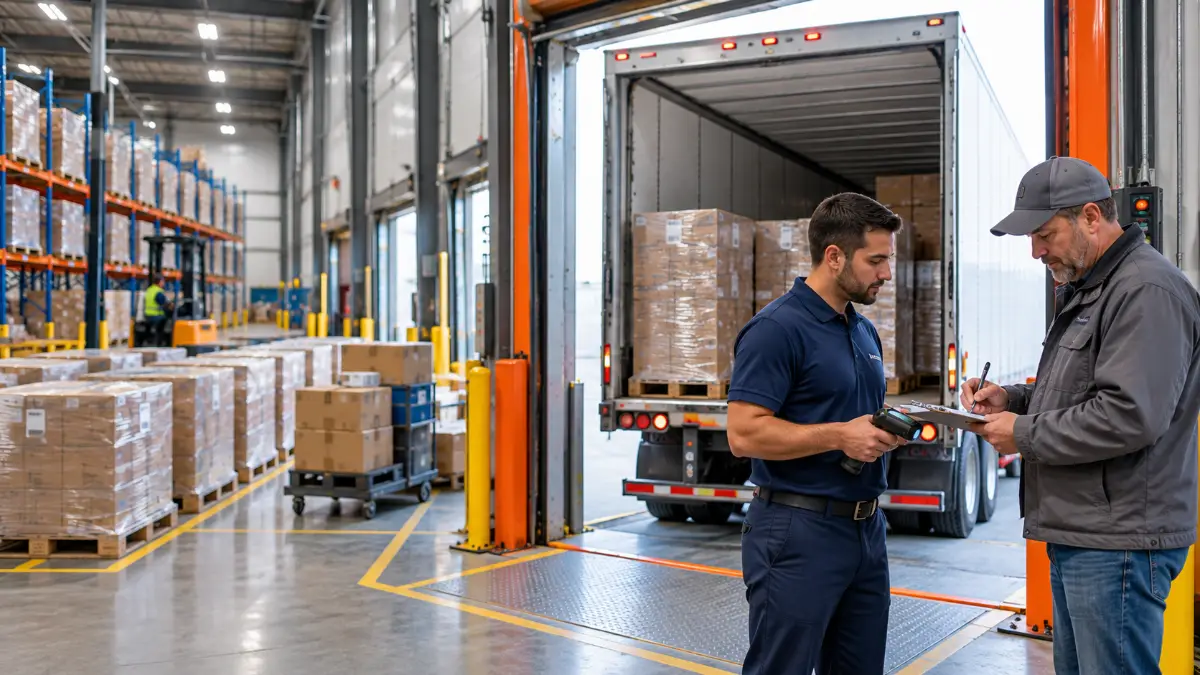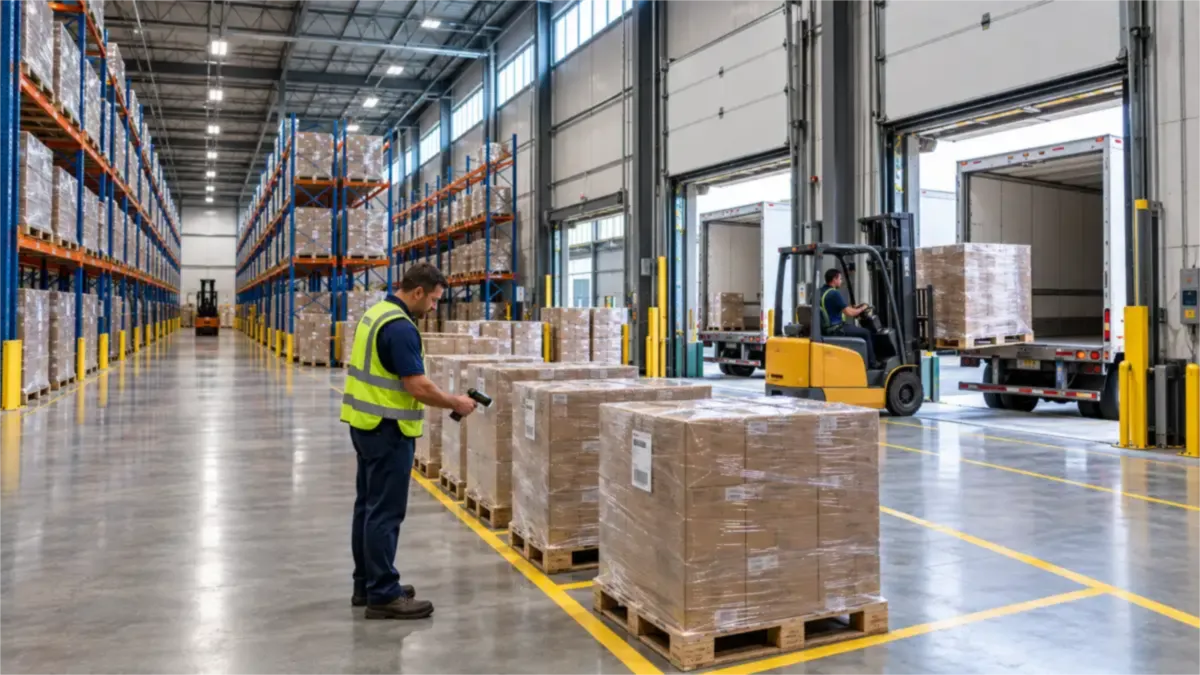
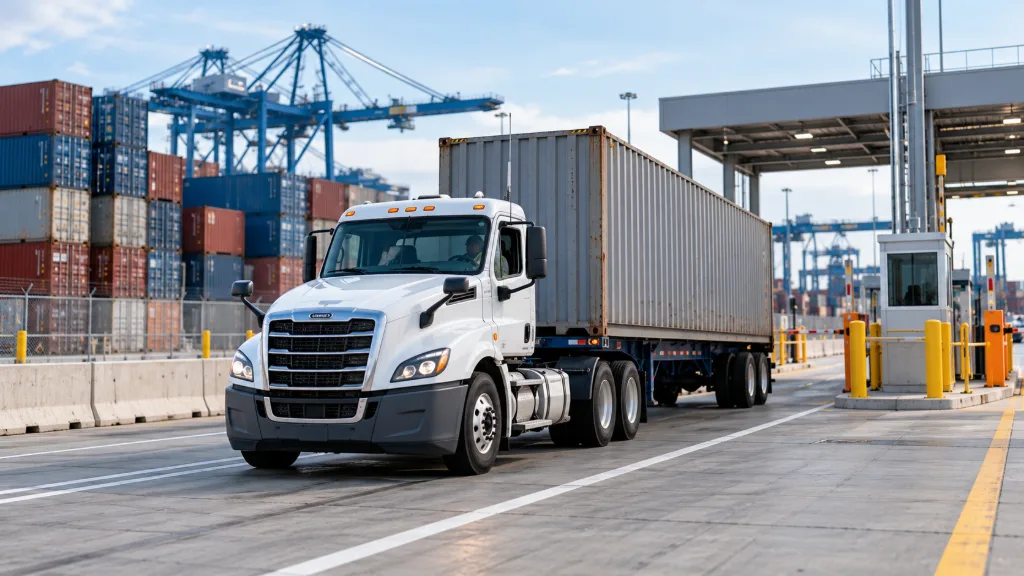

Drayage is the short truck move that takes a shipping container from a port or rail ramp to its next stop. That stop is a warehouse, a customer’s door or another terminal. It is the shortest leg of an import journey and the one most likely to bill you twice.
This guide covers the 6 types of drayage, how a move runs, what it costs and how to choose a provider. It also covers the fees that start once free time ends. Drayage is priced in hours and billed in days.
The clock is the whole game. Under the Port of Los Angeles demurrage rates chart effective December 1, 2025, wharf demurrage on a 40-foot container runs $52.77 a day for the first 5 days. It then doubles, and passes $210 a day from day 11.
What Is Drayage?
Drayage is container trucking over a short distance, usually within one metro area and inside a single work shift. The container stays sealed and loaded on a chassis, which is the wheeled frame it rides on.
The word covers the gap between long-haul modes. An ocean vessel or a train brings the box most of the way, and a dray truck takes it the last few miles.
That move is one link in the chain from receiving dock to outbound truck. It is the link where the container is still on someone else’s clock.
What Are the 6 Types of Drayage Services?
Lists vary by source, but the 6 types most commonly named are port drayage, inter-carrier, intra-carrier, expedited, shuttle and door-to-door. They describe where the container starts and stops, not how it is driven.
Port Drayage
Port drayage moves a container between the marine terminal and a nearby facility, usually a warehouse or a rail yard. It is the most common type and the one where terminal appointments and free time matter most.
Inter-Carrier Drayage
Inter-carrier drayage hands a container from one carrier to another, such as a rail company passing a box to a trucking company. The freight changes hands without changing what is inside.
Intra-Carrier Drayage
Intra-carrier drayage moves a container between two facilities owned by the same carrier, such as a rail ramp and that carrier’s own yard. Nothing changes hands, so the paperwork is lighter.
Expedited Drayage
Expedited drayage prioritizes a container that cannot wait, such as production parts or perishable goods. You pay for the front of the queue and sometimes for a driver held on standby.
Shuttle Drayage
Shuttle drayage parks containers somewhere else when the terminal or the warehouse is full. It buys space rather than distance, and it is what stops a full yard from turning into demurrage.
Door-to-Door Drayage
Door-to-door drayage runs the container from the terminal all the way to the receiver, with one provider handling the whole leg. It costs more per move and removes the handoffs where containers stall.
Container Drayage Services vs Drayage Trucking Services
They describe the same work from different angles. Container drayage services name what is being moved; drayage trucking services name how it moves. Providers use both labels for the same port-to-warehouse job, and so do the shippers buying it.
What actually separates one provider from another is not the label but three things: whether the carrier controls its own chassis, whether it is bonded for in-bond moves, and which terminals it holds appointment access to. Ask those three questions and the naming convention stops mattering.
How a Drayage Move Actually Runs
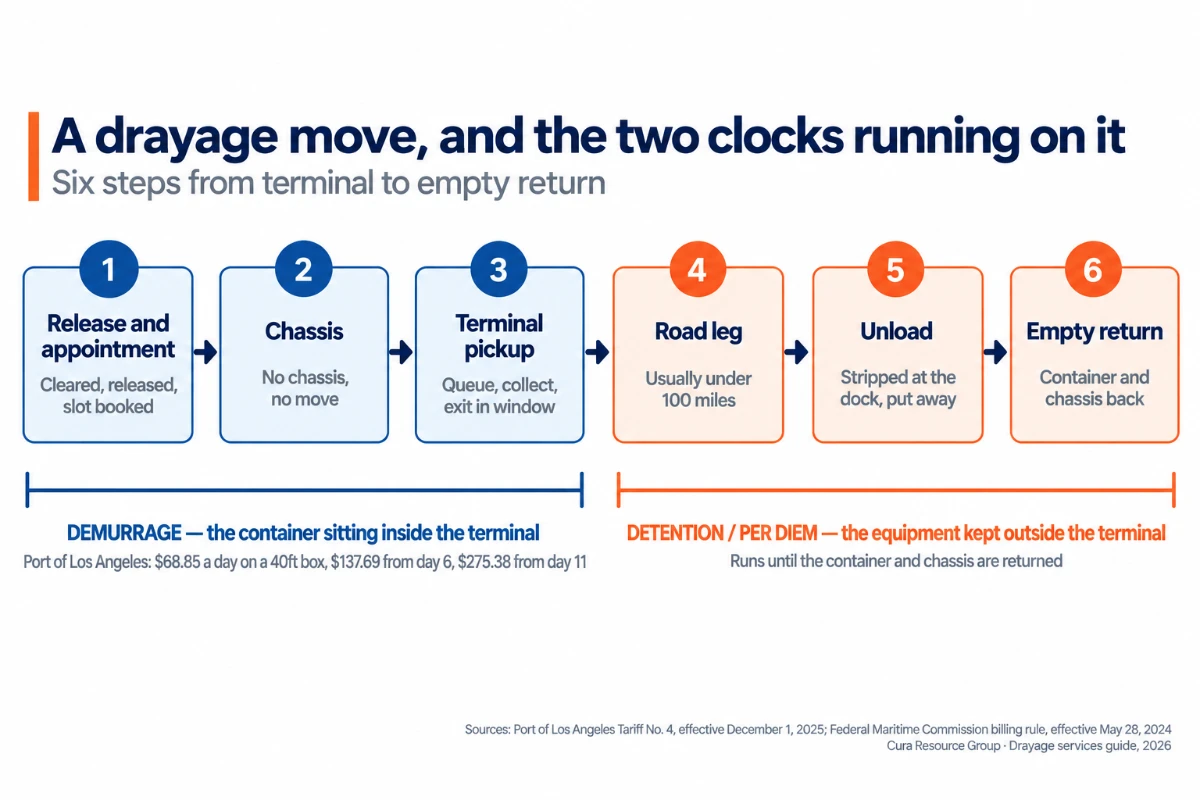
A drayage move runs in six steps, and most delays happen in the first two. Track it as a sequence rather than a single pickup, because each step has its own clock.
- Release and appointment. The container must be discharged, customs-cleared and released by the ocean carrier, then booked into a terminal appointment slot.
- Chassis. The truck needs a chassis under the box, hired from a pool or supplied by the carrier. No chassis, no move.
- Terminal pickup. The driver enters, queues, collects the container and exits, all inside the appointment window.
- The road leg. The short haul to the warehouse or the receiver, usually under 100 miles.
- Unload. The container is stripped at the dock and the goods are put away, or the whole box is dropped for later.
- Empty return. The empty container and the chassis go back, to the window the carrier specifies.
The empty return is the step buyers forget. Per diem keeps running until the box is back, so a container sitting empty behind your warehouse is still costing money.
What Do Drayage Services Cost?
A drayage quote is a base rate plus a stack of add-ons, and the add-ons are where the money goes. Ask for the line items rather than a single number, because the base rate is the only part a provider controls.
- Base linehaul. Priced by distance and destination zone, usually as a flat move rather than by the mile.
- Fuel surcharge. A percentage on top of the linehaul, adjusted as diesel moves.
- Chassis. A daily rental if the chassis comes from a pool, plus a split fee if it sits at a different location than the box.
- Pre-pull. Pulling the container out of the terminal early and holding it, to beat free time expiring.
- Drop and pick. Leaving the container at your dock instead of the driver waiting, which trades waiting time for per diem days.
- Waiting time. Charged once the driver sits beyond the free window, at the terminal or at your dock.
Then come the charges that are not the trucker’s at all. Demurrage is the port or carrier billing for a container that overstays at the terminal. Detention, often called per diem, is the carrier billing for equipment kept too long outside it.
Why Is Drayage So Expensive?
Drayage is expensive because the truck is cheap and the waiting is not. The move itself may take two hours, while the container consumes days of terminal time, chassis rental and appointment slots around it.
Free time is the mechanism. Each container gets a set number of days at the terminal. Once those pass, the port bills for every extra day, and the rate rises the longer the box sits.
The Port of Los Angeles demurrage rates chart effective December 1, 2025 shows the escalation on a 40-foot container. It runs $52.77 a day, then $105.47 after 5 days, then $210.93 from day 11. A week of drift costs more than the dray.
| Container size | Days 1–5 | Days 6–10 | Day 11+ |
|---|---|---|---|
| 0–7 metres (20-foot) | $26.36 | $52.67 | $105.34 |
| 9–13 metres (40-foot) | $52.77 | $105.47 | $210.93 |
| 13 metres or more (45-foot) | $68.85 | $137.69 | $275.38 |
Per-day wharf demurrage by container size, from the Port of Los Angeles demurrage rates chart, effective December 1, 2025. Rates are per container, per day, and sit on top of anything the ocean carrier bills separately as detention or per diem.
You do have protection on the paperwork. The Federal Maritime Commission rule effective May 28, 2024 sets a deadline. Carriers and terminals must invoice demurrage and detention within 30 calendar days of the charge.
That rule has teeth. Only the contracting party or the consignee can be billed, and you get at least 30 days to request a waiver or refund. A missing piece of required information “eliminates any obligation of the billed party to pay the applicable charge”.
Drayage vs Cartage vs Intermodal Trucking
Drayage and cartage both mean short local hauls, but drayage moves the sealed container while cartage usually moves loose freight between local facilities. The difference is whether the ocean box travels with the goods.
Intermodal trucking is the wider term for the road legs of a rail or ocean journey. Drayage is the first and last of those legs, which is why it is sometimes called first-mile or last-mile intermodal.
Once the goods leave the container, they move as parcel, LTL or full truckload. Our shipping and delivery services page covers how each of those modes is booked.
When to Pair Drayage With Warehousing
Pair them when the container has to be emptied fast and the goods have nowhere to go yet. One provider doing the dray and the put-away removes the handoff where per diem quietly accumulates.
Splitting the job across two vendors costs a day at each seam. The trucker waits on a dock appointment, the warehouse waits on the trucker, and the carrier bills both ends of that wait.
Containers that arrive fuller than your racking need somewhere for the overflow. That is where pallet storage priced by the position beats a long-term lease.
Some freight never needs to be stored at all. Loads already sorted by destination can move straight across the dock, which is what cross-docking and transloading are for.
How to Choose a Drayage Provider
Choose on terminal access, equipment, visibility and who chases the charges. Rate matters less than whether the provider can get an appointment this week.
- Coverage at your ports and ramps. Ask which terminals they hold appointments at, not which states they cover.
- Chassis access. Pool membership or owned equipment decides whether a container moves on the day it is released.
- Who watches free time. Somebody has to track last free day per container and act before it expires.
- Who disputes the invoices. Demurrage and per diem bills contain errors, and the FMC rule gives you 30 days to challenge them.
- What happens after the unload. Storage, order fulfillment and the empty return should not need three separate phone calls.
Drayage Services With Cura Resource Group
Cura Resource Group arranges drayage from ports and rail ramps to our warehouses or straight to your door. Riverside works with Los Angeles and Long Beach, Memphis with the rail ramps, and Carolina with San Juan.
We unload containers at our own docks and put the product away the same visit, so the box turns around instead of sitting. We handle the terminal side too: appointments, chassis and chasing the demurrage and per diem charges that follow.
We also move freight in bond, and we will take a drayage-only job when storage is not part of it. Our customs compliance team keeps the paperwork moving alongside the freight.
Tell us the port, the container count and what happens after the unload. Get a quote for the whole leg rather than the truck alone.
Sources and Further Reading
- Port of Los Angeles, Tariff No. 4 and the Wharfinger demurrage rates chart, effective December 1, 2025 — per-day wharf demurrage by container size.
- Federal Maritime Commission, Final Rule on Detention and Demurrage Billing Practices, effective May 28, 2024 — invoice deadlines, who may be billed and dispute rights.
Frequently Asked Questions
What are drayage services?
Drayage services move a shipping container a short distance, usually between a port or rail ramp and a nearby warehouse or delivery point. The container stays sealed on a chassis for the trip. Most moves stay inside one metro area and finish within a single shift.
What are the 6 types of drayage?
Lists vary by source, but the six most commonly named are: (1) port drayage, (2) inter-carrier, (3) intra-carrier, (4) expedited, (5) shuttle and (6) door-to-door. They differ by where the container starts and stops, and by which carrier holds it at each end.
How is drayage different from trucking?
Drayage is a short container move tied to a port or rail terminal, while general trucking covers longer hauls of loose or palletized freight. Drayage also carries terminal rules that ordinary trucking does not: appointment windows, chassis supply, free time and equipment return deadlines.
Why is drayage so expensive?
Because the waiting costs more than the driving. A container burns terminal time, chassis rental and appointment slots around a trip that may take two hours. Once free time runs out, the port bills for every extra day, and those daily rates climb the longer the box sits.
What is the difference between demurrage and detention?
Demurrage is charged when a container overstays at the terminal after free time ends. Detention, often billed as per diem, is charged when you keep the container or chassis too long outside the terminal. One clock runs inside the gate, the other runs outside it.
How long do I have to dispute a demurrage invoice?
You get at least 30 calendar days. Under the Federal Maritime Commission rule effective May 2024, the billed party has that long to request a fee mitigation, refund or waiver. The billing party then has 30 days to resolve it. Invoices missing required information carry no obligation to pay.
Can a drayage provider also store my freight?
Yes, and it usually costs less than splitting the job. One provider can collect the container, unload it at its own warehouse, put the goods away and return the empty. That removes the handoff delays where per diem and demurrage build up.
What is in-bond freight?
In-bond freight moves under customs control before duties are paid, which lets a container travel inland to be cleared somewhere other than the arrival port. It requires a bonded carrier and matching paperwork at both ends. Cura Resource Group can move freight in bond.
What companies use drayage?
Importers and exporters moving ocean containers, retailers and manufacturers receiving overseas stock, and freight forwarders and 3PLs arranging the move on their behalf. Any business whose goods arrive by sea or rail needs drayage, whether it buys it directly or through a logistics partner.